Challenges of Implementing HVDC Systems in Urban Areas


Introduction
High Voltage Direct Current (HVDC) technology is a groundbreaking solution in the world of power transmission. As global demand for electricity grows and renewable energy sources are integrated into the grid, HVDC has become increasingly vital. It enables the efficient transmission of electricity over long distances with minimal energy loss, making it ideal for connecting renewable energy sources, such as wind farms and solar plants, that are often located far from cities and industrial centers. In this article, we will explore what HVDC is, how it works, and the ways it is transforming the future of energy transmission.
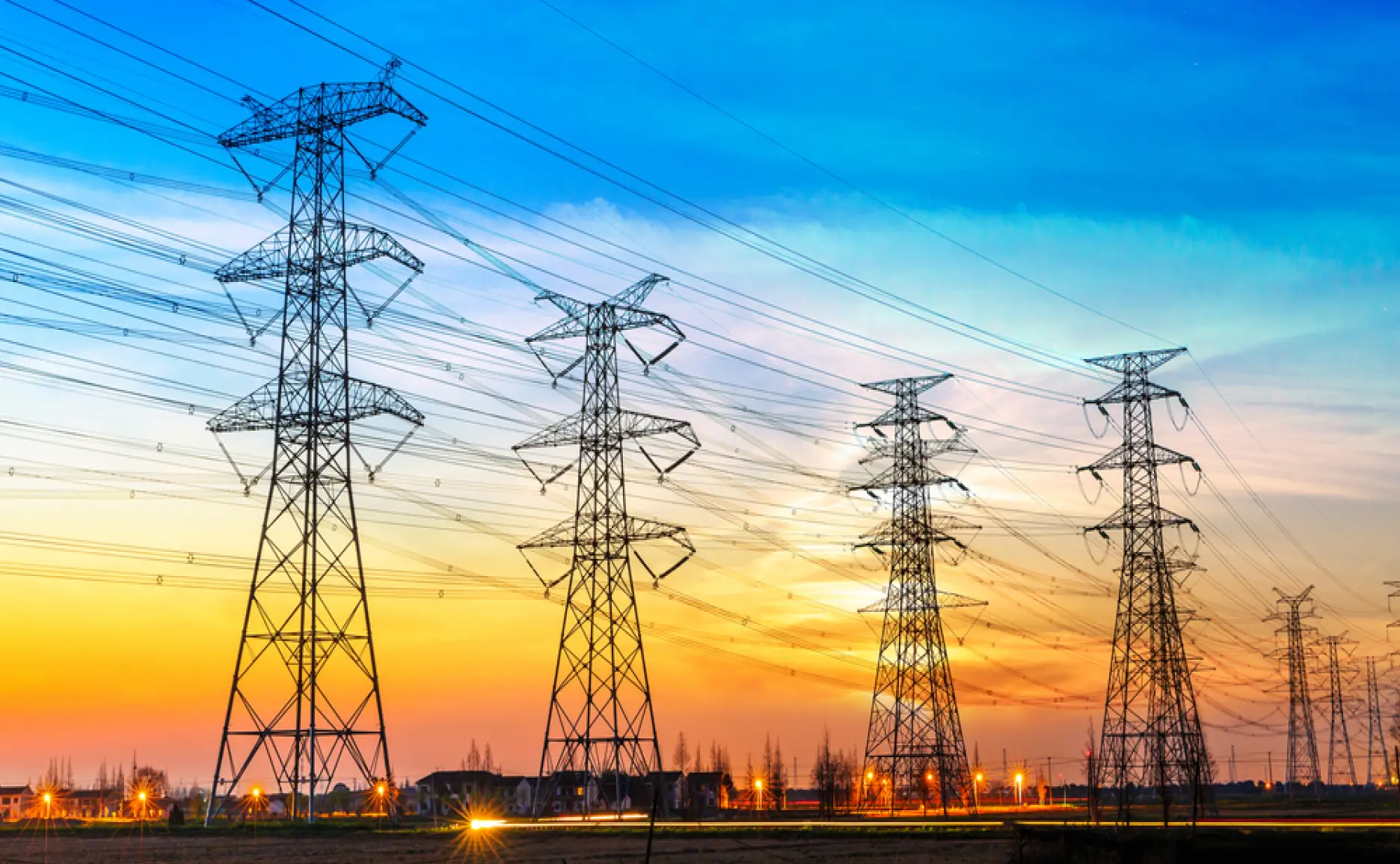
What is HVDC?
HVDC stands for High Voltage Direct Current, a method of transmitting electricity using direct current (DC) as opposed to alternating current (AC). Traditional power grids typically operate on AC because it is easier to step up and down in voltage levels and works well for short distances. However, over long distances, AC transmission suffers from significant energy losses, making it less efficient.
HVDC technology solves this problem by converting AC to DC for long-distance transmission and then converting it back to AC for distribution to homes and businesses. This process reduces transmission losses, especially when moving power over hundreds or even thousands of kilometers.
How Does HVDC Work?
HVDC systems require three main components to operate:
- Converter Stations – At both the sending and receiving ends of the HVDC transmission line, converter stations are needed to convert AC to DC and vice versa. These stations use power electronics to ensure the smooth and efficient conversion of electrical power.
- Transmission Lines – HVDC transmission lines carry direct current over long distances. These lines can be overhead cables, underground cables, or even underwater cables, depending on the project’s geographic needs.
- Electrodes and Ground Return – In some HVDC systems, ground return or sea return is used as part of the transmission system, where one wire carries the DC current, and the earth or sea serves as the return path, further reducing costs.
Once electricity reaches the destination, the receiving converter station converts the DC power back to AC, ready for distribution through the conventional grid.


Simplify Your Work & Save with Law Practice AI